Vilnius Combined Heat and Power Plant No. 2

Vilnius Combined Heat and Power Plant No. 2

Vilnius Furniture Warehouse Redevelopment | Atrandi Biosciences Offices and Laboratories

Vilnius Furniture Warehouse Redevelopment | Atrandi Biosciences Offices and Laboratories

Buidings
Betono aklg. 16 / Naujoji Riovonių g. 21

CONCRETE FACTORY | FORMER ARMATURE WORKSHOP

  • Address and directions

    Address:
    Betono aklg. 16 / Naujoji Riovonių g. 21, Vilkpėdė

    How to get there:
    Pakalniškių, Riovonys

  • Visiting information

    Visiting hours:
    2026-05-16 10:00 - 20:00
    2026-05-17 10:00 - 18:00

    Last tour on Saturday:
    19:00

    Last tour on Sunday:
    17:00

    Tours run every:
    30 min.

    Tour duration:
    45 min.

    Expected crowd level:
    Low

    Maximum group size:
    25

Accessibility
Part of the tour is accessible to people with mobility impairments
Save
Remove from favourites

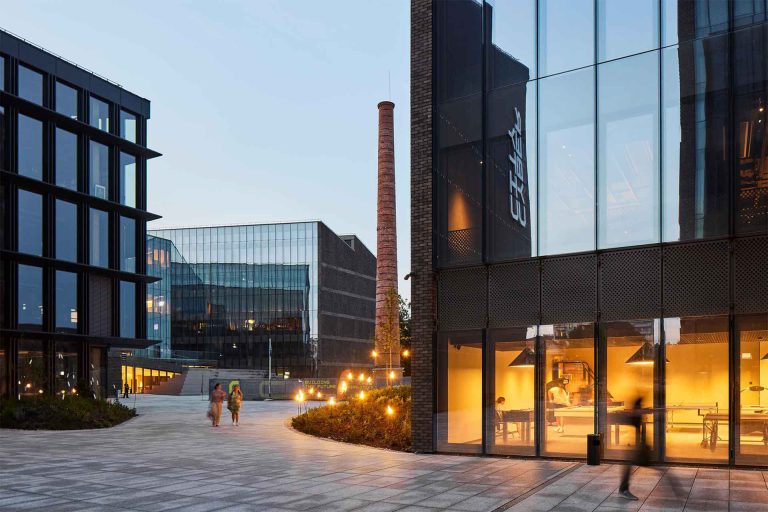
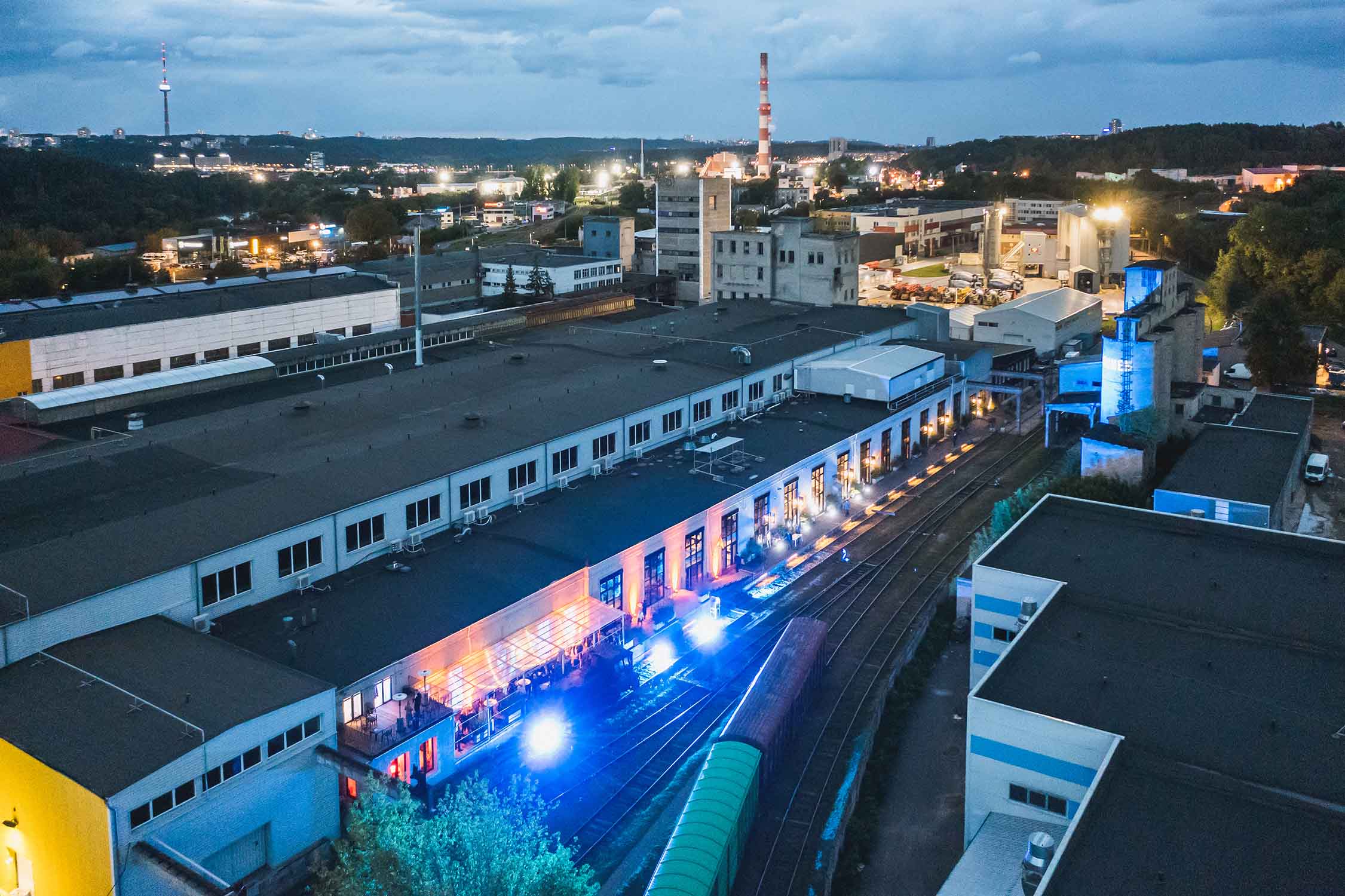
Programmers, architects, brides picking out wedding dresses or lawyers attending events can be found among concrete trucks, silo towers, heat engines and locksmiths’ workshops in the former territory of the Vilnius Combine for Construction of Homes in Vilkpėdė.

The Concrete Factory is the first initiative to convert the site and exploit its full natural, architectural and infrastructural potential in order to foster a new quality and humane urban structure – the Concrete Quarter.

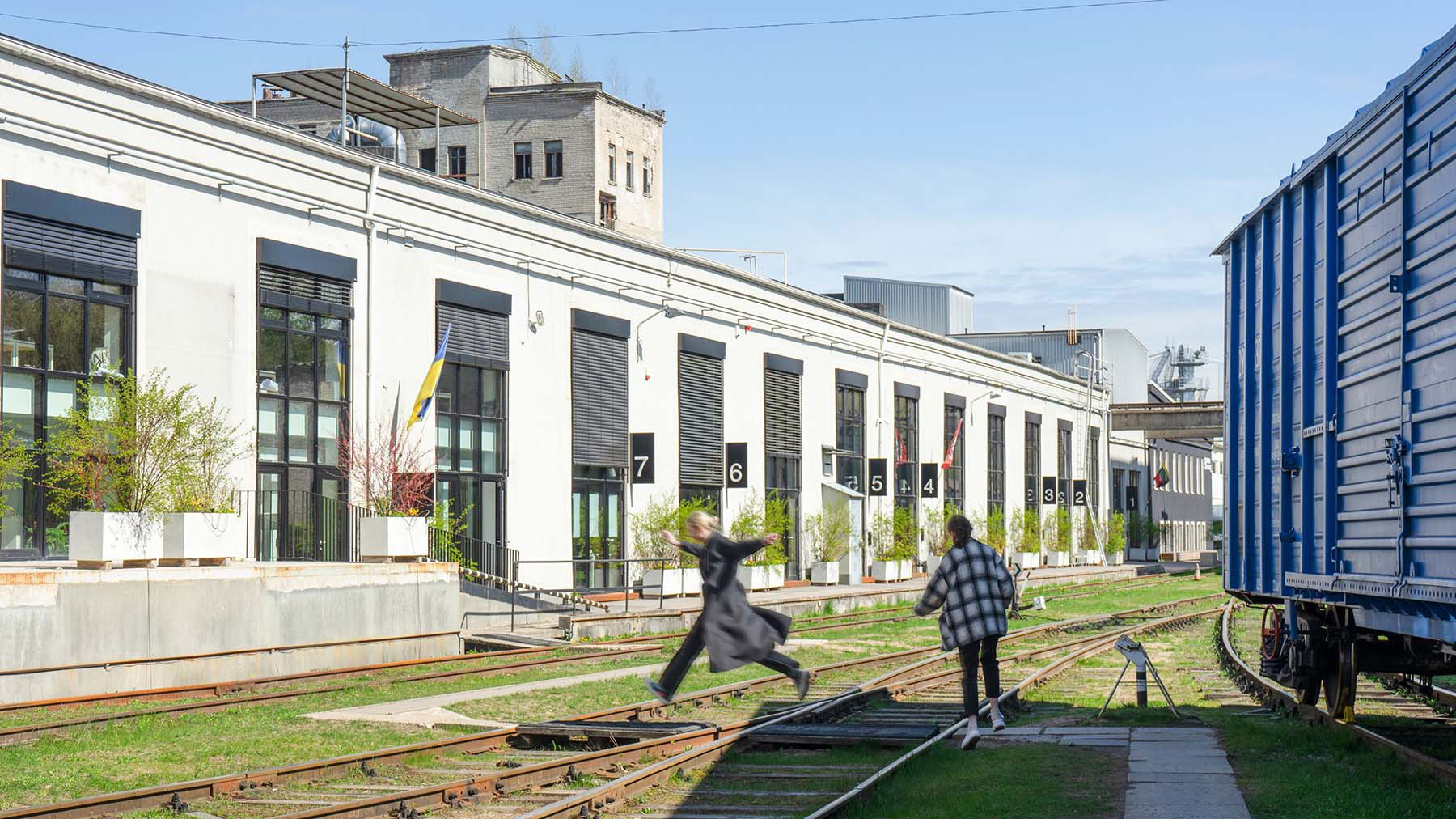
The building itself acted as a reinforced concrete factory, which was established to accelerate the construction of residential buildings in Vilnius during the Soviet era. The factory, which was built in 1958, was one of the first objects that shaped the industrial face of Vilkpėdė. The massive redevelopment of Vilnius’ residential districts started with prefabricated blocks made right here. Before independence, it was the site of a Reinforced Concrete Structures Factory, and from 1996 to 2021 it housed a screw cap factory.

During the conversion, the site and the building were treated as industrial heritage: new interventions were made insofar as necessary while everything else was appropriately preserved. The glue pattern left on the wall after peeling off the tiles, the giant ends of the ventilation pipes sculpted into the ceiling, the remnants of a line drawing of the movement of technological equipment on a cast concrete floor were all separate layers of the building telling their story.