 © Norbert Tukaj
 © Norbert Tukaj

-
Authors
ARCHITECT – Vikentijus Gorskis, 1891
-
Address and directions
Address:
Gedimino pr. 6, CentrasHow to get there:
Arkikatedra, Karaliaus Mindaugo tiltas, Vinco Kudirkos aikštė -
Visiting information
Visiting hours:
2026-05-16 10:00 - 20:00
2026-05-17 10:00 - 18:00
Last tour on Saturday:
19:00Last tour on Sunday:
17:00Tours run every:
30 min.Tour duration:
45 min.Expected crowd level:
HighMaximum group size:
25No photography:
YesID required:
Yes
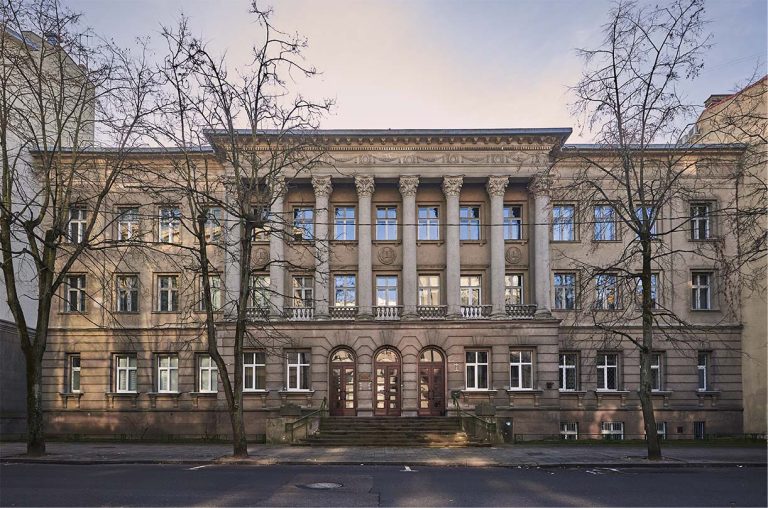
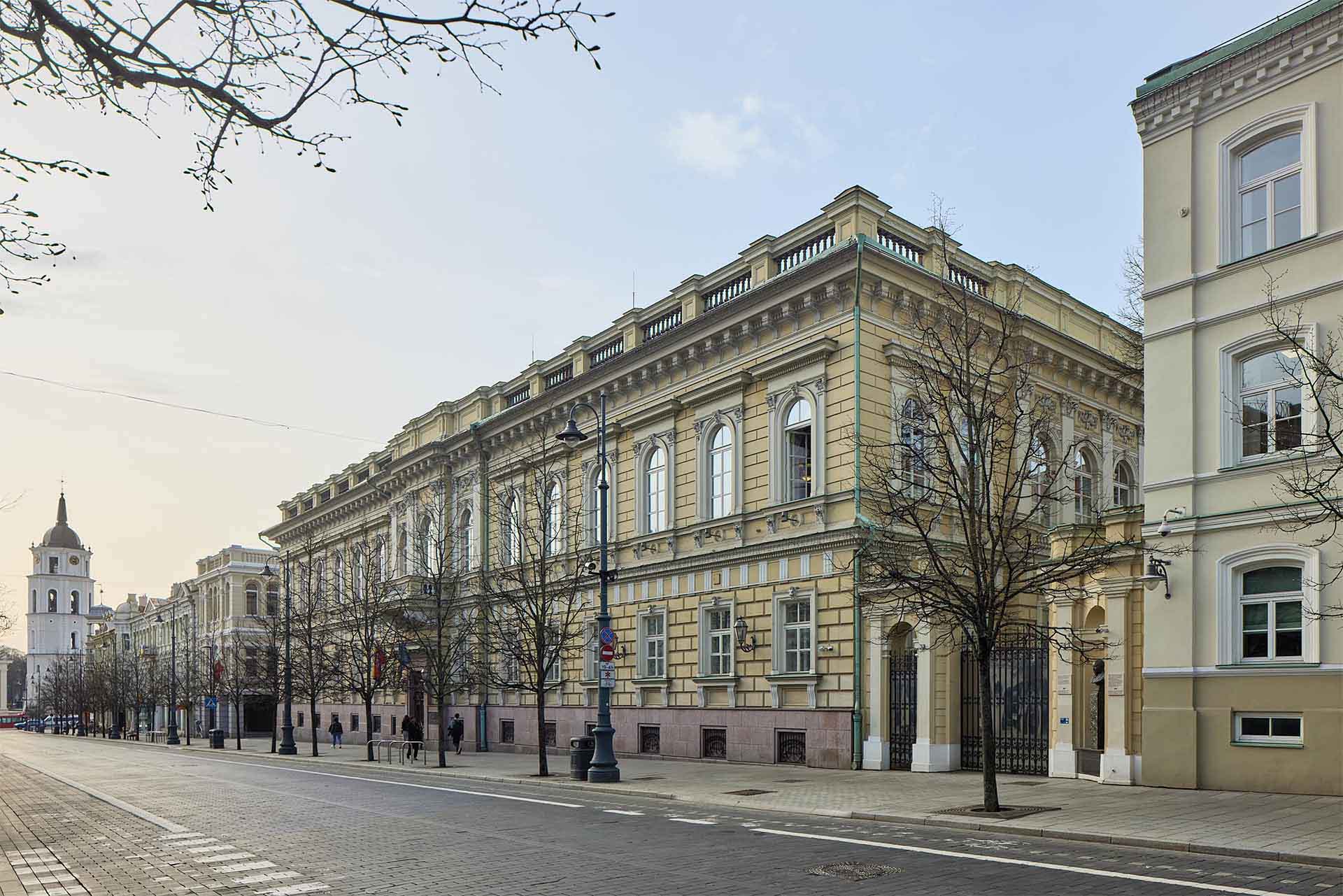
The Palace of the Bank of Lithuania was built at the end of the 19th century, during the formation of the present Gediminas Avenue, when the Vilnius Land Bank was established in the new part of Vilnius under the leadership of the well-known public figure Juozapas Montvila.
It is the first building built specifically for a bank in Vilnius, and was selected from 17 candidates in the first known architectural competition in Vilnius. The building is classified as historicist, and its façade is remarkably well-preserved in its original form – even the main door is original.
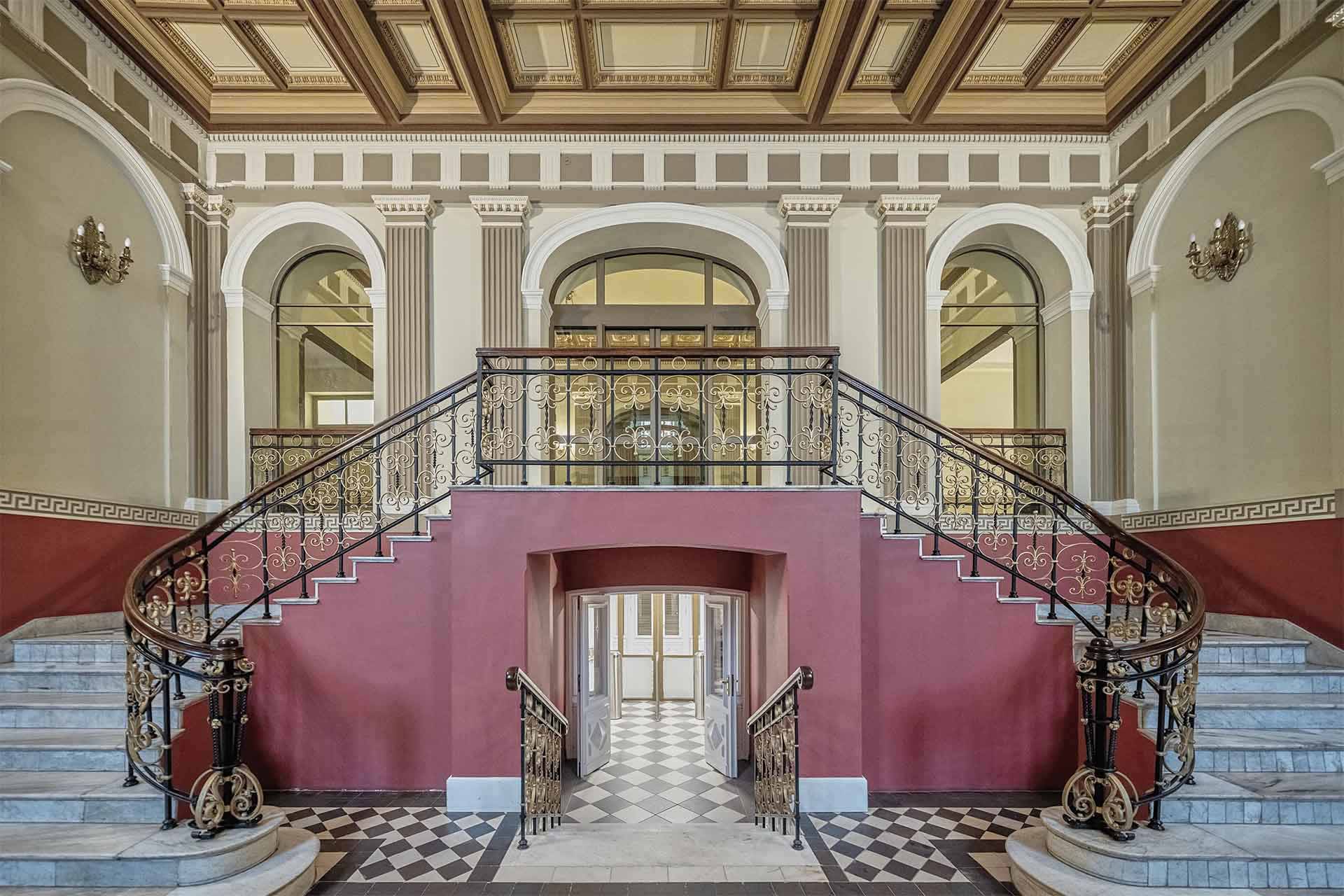
The interior of the building is impressive and richly decorated. After the Bank of Lithuania took up residence in the palace in 1990, major restoration works were carried out in 1994–1997 under the direction of architect Alvidas Songaila. During the renovation, much of the authenticity of the interior that was lost during the Soviet era was restored, such as the decorative elements and the original colour scheme, as well as the structure of the building plan.
During the years of independence, the Bank’s palace was decorated with many valuable works of art, from the stained glass “The Development of Numismatics” by Stanislovas Rolandas Bulavas in the windows of the central staircase to the bronze sculpture “Chloe” by Romualdas Kvintas in the inner courtyard.
From the outside, the palace looks like it has gone almost unchanged for 130 years, but it hides a fascinating and rich history of constant change.